

Here at Ponderosa Dental Group, we are dedicated to providing you and your loved ones with healthy and happy smiles. That is why our staff is highly trained in treatments that improve your quality of life—whether it’s your teeth, your gums, or your jaw that needs care.
Our dental office is equipped to address conditions that contribute to long-term dental discomfort, such as temporomandibular joint disorders (TMJ/TMD). Tension headaches, chronic migraines, and even lockjaw are all symptoms of TMJ, which can negatively and often drastically impact the quality of your life. That doesn’t need to be the case when relief is just a call or click away!
Improve your oral health and get rid of your dental discomfort by contacting our office today and scheduling your TMJ consultation.

What Is TMJ/TMD?
TMJ stands for the temporomandibular joint. Your TMJ connects your lower and upper jaws and is responsible for your ability to open and close your mouth. As you can imagine, this is an incredibly important part of our body as it helps us with vital, daily tasks like chewing, speaking, and even smiling.
Because these joints help us so much day in and day out, they are under a lot of stress. This can make them prone to wear and tear, injuries, and arthritis. If these conditions hinder the joint’s functions, we call it temporomandibular joint disorder (TMD).
Signs You May Have TMD
All joints in our bodies play a crucial role and need to be a special blend of tough yet flexible. This can cause them to ache occasionally (often called “flare-ups”), especially as we age. The joints of our jaw are no different.
TMJ disorders are different, as the condition is chronic—the symptoms will not go away on their own, due to any number of contributing factors. Here are some of the most common signs that you should have your jaw examined for TMD:
Headaches:
Headaches are a common sign of TMD. The pain usually radiates up from your TMJ and shows up like a tension headache. In some cases, you may experience migraines as well.
Teeth Grinding:
You may grind your teeth in your sleep or throughout the day. Teeth grinding is often caused by tension in your body. As you grind your teeth, it aggravates your TMJ.
Clicking:
You may hear/feel a clicking coming from your jaw joints when you open and close your mouth.
Sore/Fatigued Jaw:
It is common to experience soreness due to the teeth grinding often associated with TMD. This soreness and constant tension can also leave your jaw fatigued. You notice it most when you are chewing or yawning.
Sore Throat:
The tension in your jaw can radiate to your throat and leave you sore or with trouble swallowing.
Ear Ringing:
A very common sign is ringing in your ears and/or earaches.
Understanding the Root Causes of TMJ/TMD

While symptoms are often easy to recognize, the underlying causes of TMJ/TMD can vary from patient to patient. At Ponderosa Dental Group in Missoula, we take a comprehensive approach to identifying what’s truly contributing to your discomfort.
Common causes may include:
- Chronic teeth grinding or clenching (bruxism)
- Bite misalignment or uneven wear on teeth
- Jaw injuries or trauma
- Arthritis affecting the jaw joint
- Muscle tension related to stress
- Poor posture, especially in the neck and shoulders
Because TMJ disorders often involve both the joints and surrounding muscles, effective treatment requires more than a one-size-fits-all solution. That’s why we focus on personalized care and detailed evaluations.
If any of these root causes or symptoms sound like you, call our dental team today to schedule a consultation.
Treatment Options for TMJ/TMD
With so many symptoms negatively impacting your quality of life due to TMJ dysfunction, you may be wondering, what is the solution? Well, you may be amazed at how straightforward and simplistic it is: an orthodontic appliance!
Incredible, isn’t it? Using our digital X-rays and precision imaging technology, we can create a customized treatment plan to ease tension from your jaw and relieve TMD symptoms.
It’s just that easy!
Botox for TMJ Treatment
In addition to fast relief, Botox can:
- Reduce the intensity and frequency of headaches
- Relax overactive jaw muscles
- Limit clenching and grinding habits
- Provide a non-invasive alternative to more complex treatments
Many patients appreciate Botox as a complementary solution alongside night guards, especially when symptoms are severe or persistent.
Custom Night Guards for TMJ Relief
One of the most effective long-term solutions for TMJ/TMD is a custom oral appliance. Unlike over-the-counter options, our professionally designed night guards are tailored specifically to your bite.
Benefits of a custom TMJ mouth guard include:
- Reducing pressure on the jaw joints
- Preventing teeth grinding and enamel wear
- Improving jaw alignment during sleep
- Minimizing muscle tension and fatigue
- Supporting better, more restful sleep
You can expect a precise fit that is both comfortable and highly effective because each appliance is designed using advanced imaging and impressions.
Interested in Immediate Relief?
If you suffer from chronic migraines, muscle tension, or pain related to bruxism or TMJ/TMD and are looking for immediate relief, we understand. Our office is licensed to provide Botox treatments that relax muscles, alleviating the worst symptoms as quickly as possible. Learn more by scheduling an appointment today.
The Many Benefits of Treating TMD
Living with TMJ/TMD can affect far more than just your jaw; it can interfere with your sleep, your ability to eat comfortably, and even your overall mood. The good news is that with the right treatment, many of these symptoms can be significantly reduced or eliminated altogether.
Our goal at Ponderosa Dental Group is to help you move beyond daily discomfort and experience lasting relief that improves your overall quality of life. TMJ treatment means you could experience:
Relieve Jaw Aches, Headaches, and Earaches
Chronic pain can take a toll on every aspect of your day. By treating TMD, you can significantly reduce or eliminate persistent jaw soreness, tension headaches, migraines, and even ear-related discomfort.
Many patients are surprised at how interconnected these symptoms are and how much relief they feel once the pressure on the jaw joint is reduced.
Bite Down Without Soreness or Fatigue
TMD often makes simple actions like biting or chewing feel exhausting or painful. With the right treatment, your jaw muscles can relax and function more efficiently. This means you can bite down naturally again without experiencing fatigue, tightness, or discomfort after just a few minutes of use.
Eat Meals Without Discomfort
Eating should be enjoyable, not something you dread. TMJ disorders can make chewing difficult, especially with tougher or crunchier foods. Treatment helps restore proper jaw movement and alignment, allowing you to comfortably enjoy a wider variety of foods without hesitation or pain.
Sleep Better
Many patients with TMD also struggle with disrupted sleep due to jaw tension, clenching, or grinding. By addressing these issues, often with a custom night guard or muscle-relaxing treatments, you can experience deeper, more restful sleep. Better sleep not only helps your jaw recover but also improves your overall health and daily energy levels.
Improve Your Mood
Living with chronic pain can impact your mental and emotional well-being. Frequent headaches, discomfort, and poor sleep can lead to irritability, stress, and even anxiety.
When TMD symptoms are reduced, many patients notice a positive shift in their mood, helping them feel more relaxed, focused, and like themselves again.
Improve Your Quality of Life
Ultimately, treating TMD is about more than just relieving symptoms. It restores your day-to-day comfort and confidence. From eating and speaking to sleeping and smiling, every part of your routine becomes easier and more enjoyable.
With effective TMJ treatment at Ponderosa Dental Group in Missoula, MT, you can get back to living your life without constant discomfort holding you back.
Long-Term Impact of Untreated TMJ/TMD
TMJ disorders can worsen over time without proper care. What may begin as occasional discomfort can develop into chronic pain that interferes with daily life.
Untreated TMJ/TMD may lead to:
- Increased tooth wear or fractures
- Chronic migraines or tension headaches
- Limited jaw mobility or lockjaw
- Ongoing inflammation and joint damage
- Sleep disturbances due to discomfort or grinding
Seeking treatment early allows our dental team to intervene before these issues become more complex, which helps you maintain both your oral health and overall well-being.
What to Expect During Your TMJ Consultation
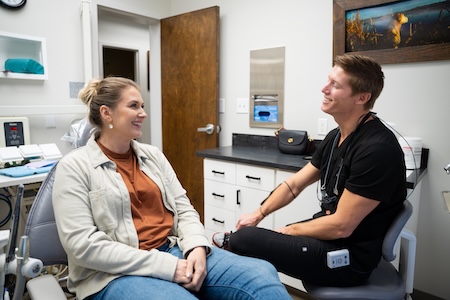
When you visit Ponderosa Dental Group in Missoula for a TMJ evaluation, we will take a detailed and patient-centered approach.
We’ll begin with a comprehensive exam of your jaw, bite, and muscles—including digital imaging to assess joint positioning and an evaluation of wear patterns on your teeth—to see where the problem lies and what symptoms your jaw strain may be causing.
From there, your consultation may include a discussion of your symptoms and lifestyle factors to help us determine a customized treatment plan tailored to your needs.
Our goal is not just to treat symptoms, but to understand the root cause and provide lasting relief.
Why Choose Ponderosa Dental Group for TMJ Treatment?
Choosing the right provider for TMJ treatment matters, which is why Ponderosa Dental Group combines advanced technology with a personalized, patient-first philosophy.
Patients choose us because we offer:
- Customized treatment plans tailored to each individual
- Advanced imaging and diagnostic tools
- Comfortable, modern solutions like Botox and custom appliances
- A focus on long-term relief, not just temporary fixes
- A welcoming, supportive environment
We understand how disruptive TMJ pain can be, and we are committed to helping you feel better as efficiently and comfortably as possible.
How Do I Start Getting Relief?
Call for your appointment. We will examine you and determine the best treatment for you. We will take impressions of your teeth and send those out to create your night guard or oral appliance.
What to Know About TMJ/TMD Treatment
If you’re dealing with jaw pain, headaches, or symptoms related to TMJ/TMD, it’s natural to have questions about your condition and treatment options. Ponderosa Dental Group believes that informed patients feel more confident in their care. Below are answers to some of the most common questions we hear about TMJ disorders and how we treat them.
How do I know if my jaw pain is TMJ-related?
TMJ pain is often accompanied by symptoms like clicking or popping in the jaw, headaches, earaches, and difficulty opening or closing your mouth. A professional evaluation is the best way to confirm the cause.
Can TMJ go away on its own?
While minor jaw discomfort may improve temporarily, unfortunately, TMD is typically a chronic condition. Without treatment, symptoms often persist or worsen over time.
What is the best treatment for TMJ/TMD?
Treatment depends on the cause and severity of your symptoms. Common options include custom night guards to reduce grinding and Botox to relax overactive jaw muscles. Many patients benefit from a combination approach.
Is a custom night guard really necessary?
Yes. Store-bought mouth guards are not designed for your specific bite and may not provide proper relief. A custom appliance ensures optimal fit, comfort, and effectiveness.
How quickly does Botox work for TMJ pain?
Botox typically begins to take effect within a few days, with full results appearing in about one to two weeks. Relief can last for several months.
Will TMJ treatment affect my daily routine
Most treatments are minimally invasive and easy to incorporate into your lifestyle. Many patients notice improvements in comfort, sleep, and daily function shortly after beginning care.
Regain Your Smile and Lose the Aches!
At Ponderosa Dental Group, we understand the impact untreated TMJ disorders can have. We want to use our years of experience to improve your symptoms and alleviate your discomfort. Don’t wait. Call today!

Meet the Doctor
Dr. Dan McFarland
Dr. Dan McFarland is proud to care for patients in Missoula and the surrounding Montana communities with a friendly, down-to-earth approach. After graduating from dental school with honors, he continued his training in cosmetic dentistry, Invisalign, oral surgery, and endodontics so he could better serve a wide range of patient needs. Dr. Dan combines skill, kindness, and a strong connection to the community to help patients feel at ease while working toward healthier, more confident smiles.